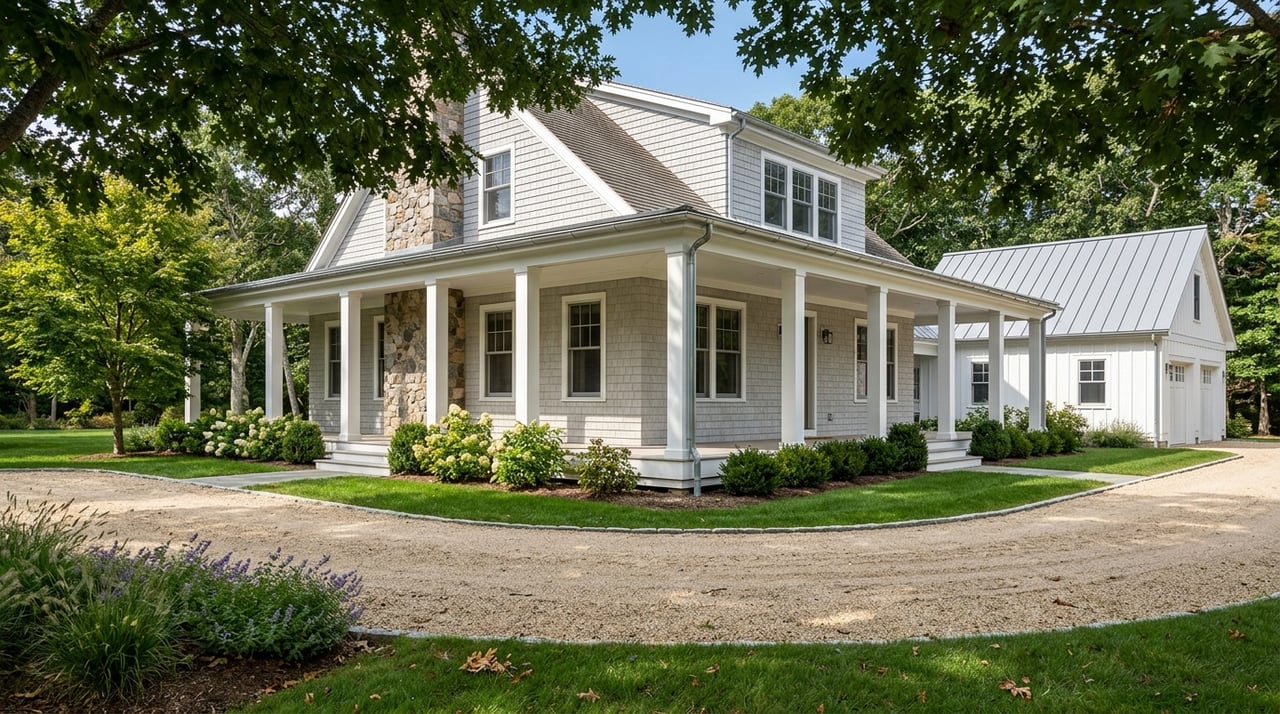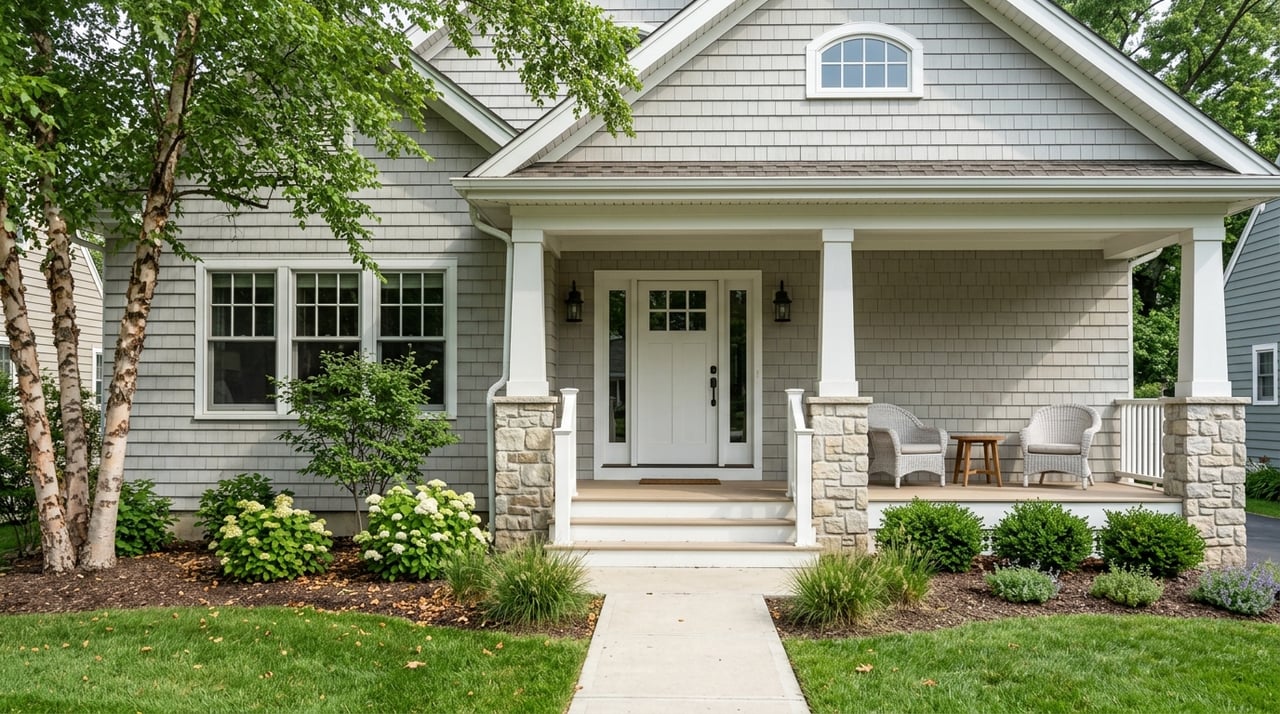
Selling a home can feel simple from the outside. Put it on the market, accept an offer, sign papers, and move. In reality, a Holland sale has a few important steps that can affect your timing, paperwork, and final closing costs. If you want a smoother sale, it helps to know what really happens from listing to closing and where Michigan and Ottawa County rules come into play. Let’s dive in.
Start With Planning, Not Just Pictures
A successful sale usually starts before your home goes live. In Holland, that means more than cleaning up for photos. It means thinking through repairs, gathering documents, and making sure you are ready for inspections and showings.
If you plan to sell within the next year, this early stage is where a full-service approach can save you stress. Pricing, staging coordination, move planning, and disclosure prep all work better when they are handled in the right order.
Know Michigan Seller Disclosures
For most one- to four-unit residential properties in Michigan, the Seller Disclosure Act applies. That means you need to provide a written seller disclosure statement before you sign a binding purchase agreement.
If that disclosure is delivered late, the buyer may have the right to terminate the agreement. The timeline is short: 72 hours if the disclosure is delivered in person, or 120 hours if it is sent by registered mail. That is one reason it is smart to prepare disclosures before your home is listed or before an offer moves too far along.
Some transfers are exempt, including certain transfers by nonoccupant fiduciaries, some transfers between relatives or spouses, transfers involving a governmental entity, and newly constructed residential property that has not been inhabited. If your situation is unusual, it is important to confirm whether an exception applies before assuming you are exempt.
Homes Built Before 1978 Need Extra Paperwork
If your home was built before 1978, federal lead-based paint disclosure rules also apply. Sellers need to provide the lead disclosure package along with the EPA and HUD information pamphlet.
This is another reason to get organized early. When disclosures are handled upfront, you reduce the chance of delays once a buyer is ready to move forward.
Prepare Your Home For Showings And Inspection
Pre-listing prep is not just about making your home look nice. It is also about helping the sale stay on track after an offer comes in. HUD guidance encourages sellers to clean thoroughly, remove clutter, address obvious electrical or plumbing issues, and be ready for the home inspection.
Buyers notice presentation, but inspectors notice condition. A tidy, well-prepared home can make showings stronger and reduce surprises during the inspection period.
Focus On Practical Repairs First
Not every project is worth doing before you list. In many cases, the best use of your time is handling obvious issues that could raise concerns later, especially items tied to basic systems or maintenance.
This is where local experience matters. A thoughtful selling plan can help you decide what to repair now, what to disclose, and what may be better handled through negotiation if it comes up after inspection.
What Happens Once Your Home Is Listed
After you sign a listing agreement, the selling process usually moves into marketing, open houses, private showings, and offer review. This is the public phase most sellers picture, but it is only one part of the process.
HUD materials also note the practical value of working with an agent or broker during this stage. That can include advice on pricing, help advertising the home, managing showings, negotiating offers, and coordinating the details that carry the sale to closing.
For many sellers in Holland, the goal is not just getting listed. It is getting listed with a strategy that supports strong showings and realistic next steps once offers arrive.
Offer Accepted Does Not Mean You Are Done
One of the biggest surprises for sellers is how much still happens after you accept an offer. The transaction usually moves into inspections, possible repair negotiations, buyer financing steps, and document review.
In other words, accepted is important, but it is not the finish line. The deal still has to make it through the contract timeline.
Inspections Often Trigger The Next Negotiation
Most contracts give buyers a path to back out if major issues are found during inspection. That is why the inspection period often becomes the next major decision point for a seller.
You may be asked to make repairs, offer a credit, adjust terms, or hold firm depending on what is found. If you prepared your home well before listing, you are often in a better position to respond calmly and keep the transaction moving.
Buyer Financing Can Add Time
If your buyer is using financing, closing usually cannot happen immediately after all terms are agreed on. One reason is the required Closing Disclosure the lender must give the buyer at least three business days before closing.
That waiting period is part of why the last stretch of a sale can feel slower than expected. Even when everyone agrees on price and repairs, lender timing still affects the calendar.
Holland And Ottawa County Closing Details
When your sale gets close to the finish line, local tax and recording steps become especially important. In Holland and Ottawa County, these details can affect your closing worksheet and final to-do list.
The deed is recorded through the Ottawa County Register of Deeds, which also offers e-recording. While much of this is handled behind the scenes, it is still part of what officially completes the transfer.
Ottawa County Transfer Tax
Ottawa County states that the current real estate transfer tax rate is $8.60 per $1,000 of consideration, rounded up to the nearest $500. Of that amount, $7.50 is the state transfer tax and $1.10 is the county transfer tax.
The county also states that this tax is imposed on the seller or grantor. If an exemption applies, it must be stated on the face of the deed.
Property Transfer Affidavit Deadline
After the transfer, Michigan requires the new owner to file a Property Transfer Affidavit with the local assessor within 45 days. The form states that filing is mandatory and that late filing can lead to penalties.
While this is the buyer’s filing requirement, it is still helpful for sellers to know it is part of the post-closing process. It often comes up in conversations about what happens after the keys change hands.
Property Taxes In The City Of Holland
If the home is in the City of Holland, local tax timing matters. The city states that the summer tax bill is dated July 1 and due August 15 without penalty. The winter tax bill is dated December 1 and due February 14 without penalty.
The city also states that the Principal Residence Exemption should be rescinded when the home is sold or no longer occupied as the owner’s principal residence. The new owner is responsible for filing the exemption if needed.
Why Buyers Ask About Future Taxes
Michigan Treasury says a transfer of ownership generally causes the property’s taxable value to uncap in the calendar year after the transfer. In plain language, the buyer’s future property tax bill may change because the taxable value can reset after the sale.
That does not change your role as a seller, but it is one of the reasons tax questions often come up near closing. Having a local expert guide the process helps keep these questions clear and manageable.
What Full-Service Support Really Looks Like
A full-service sale is not just about putting a sign in the yard. It is about managing the sequence from prep to closing so fewer details fall through the cracks.
That can include pricing guidance, listing presentation, staging coordination, marketing, showings, repair negotiation, and closing management. It can also mean helping you prepare early, connect with trusted local partners, and stay organized through each stage.
For Holland-area sellers, that local coordination matters. The process includes state disclosures, inspection readiness, lender timing, transfer tax, deed recording, and local tax details. When those pieces are managed well, your next move feels a lot less overwhelming.
If you are thinking about selling in Holland or anywhere along the Lakeshore, the best first step is a conversation about timing, prep, and strategy. Taressa Sprick brings nearly three decades of local experience and a full-service approach designed to help you move forward with clarity and confidence.
FAQs
What seller disclosures are required for a home sale in Holland, MI?
- For most one- to four-unit residential properties in Michigan, a written seller disclosure must be delivered before the seller signs a binding purchase agreement. Homes built before 1978 also require lead-based paint disclosures.
What happens after accepting an offer on a Holland home?
- After an offer is accepted, the sale usually moves through inspections, possible repair negotiations, buyer financing steps, document review, and then closing.
What is the transfer tax for selling real estate in Ottawa County, MI?
- Ottawa County lists the transfer tax as $8.60 per $1,000 of consideration, rounded up to the nearest $500, and states that the tax is imposed on the seller or grantor.
What property tax dates matter when selling a home in the City of Holland?
- The City of Holland states that summer taxes are dated July 1 and due August 15 without penalty, while winter taxes are dated December 1 and due February 14 without penalty.
What is the Property Transfer Affidavit in Michigan after a home sale?
- Michigan requires the new owner to file a Property Transfer Affidavit with the local assessor within 45 days of the transfer, and late filing can trigger penalties.