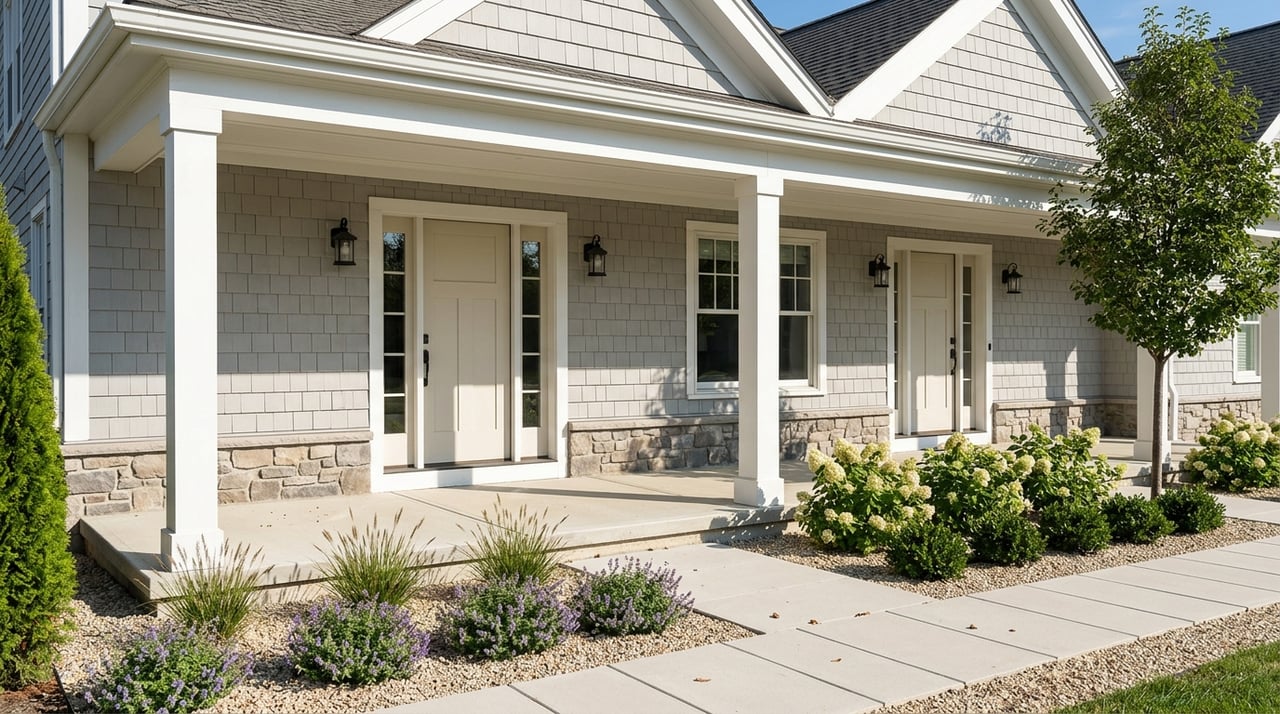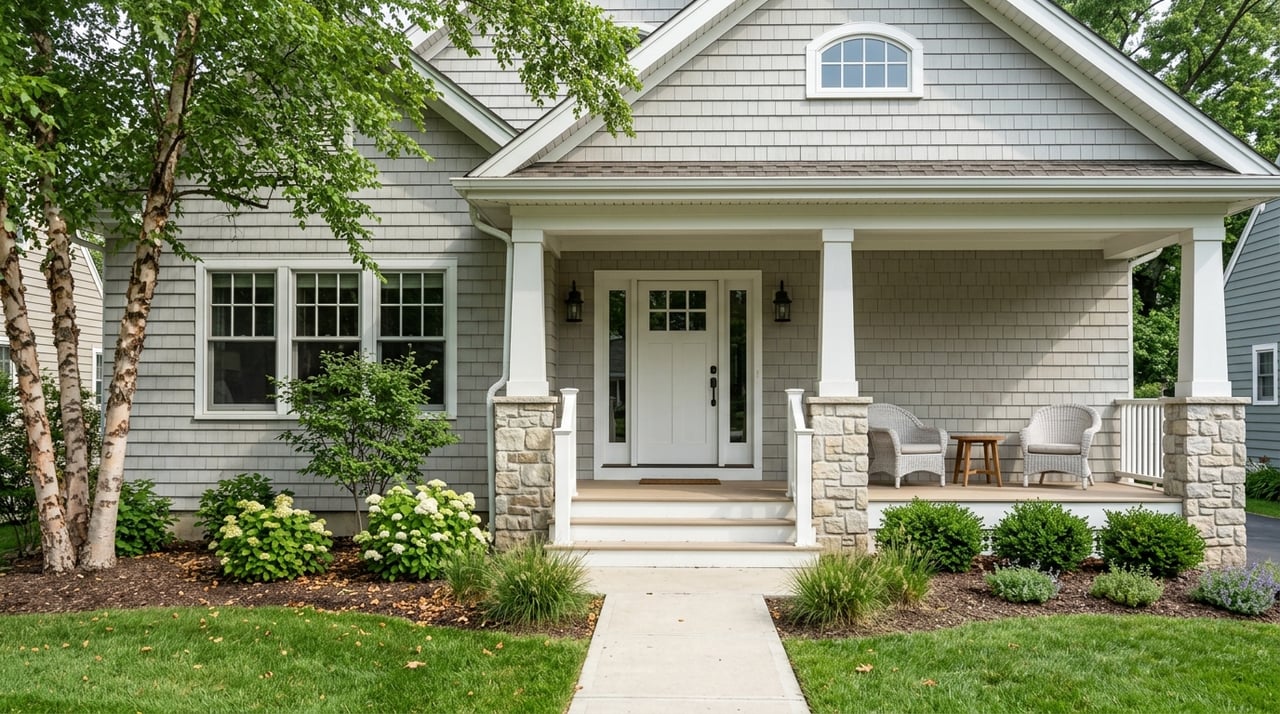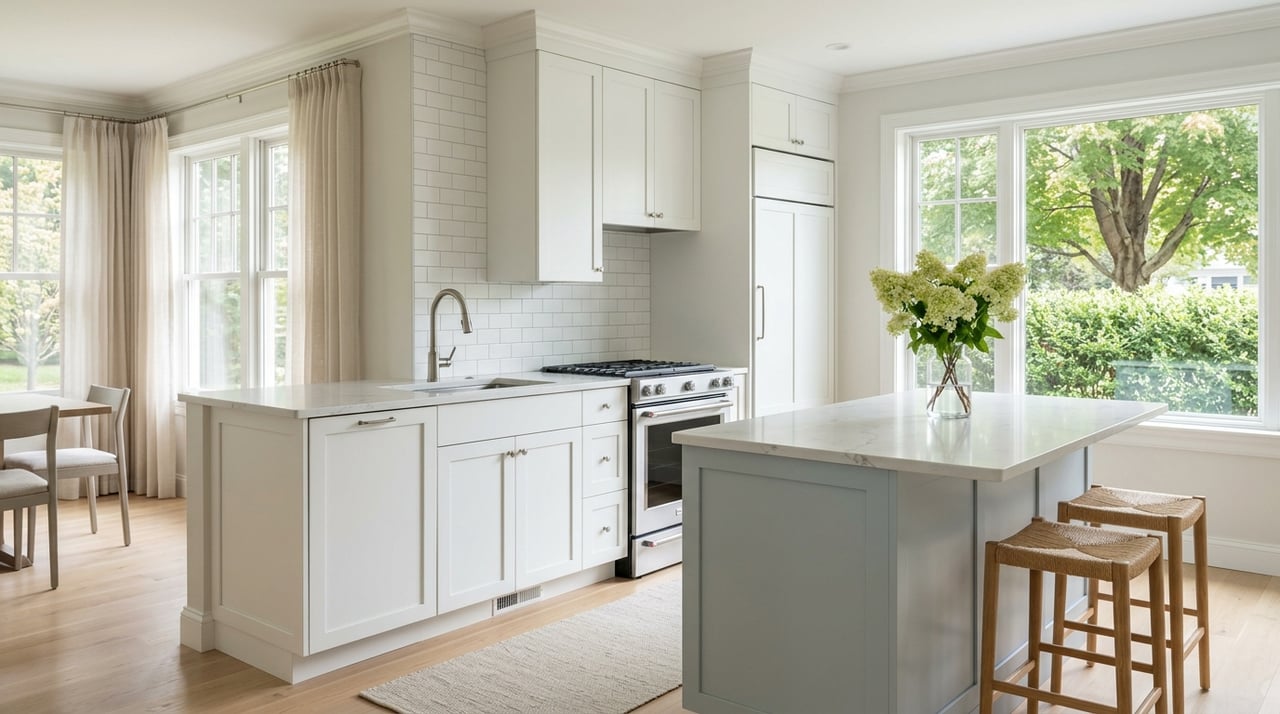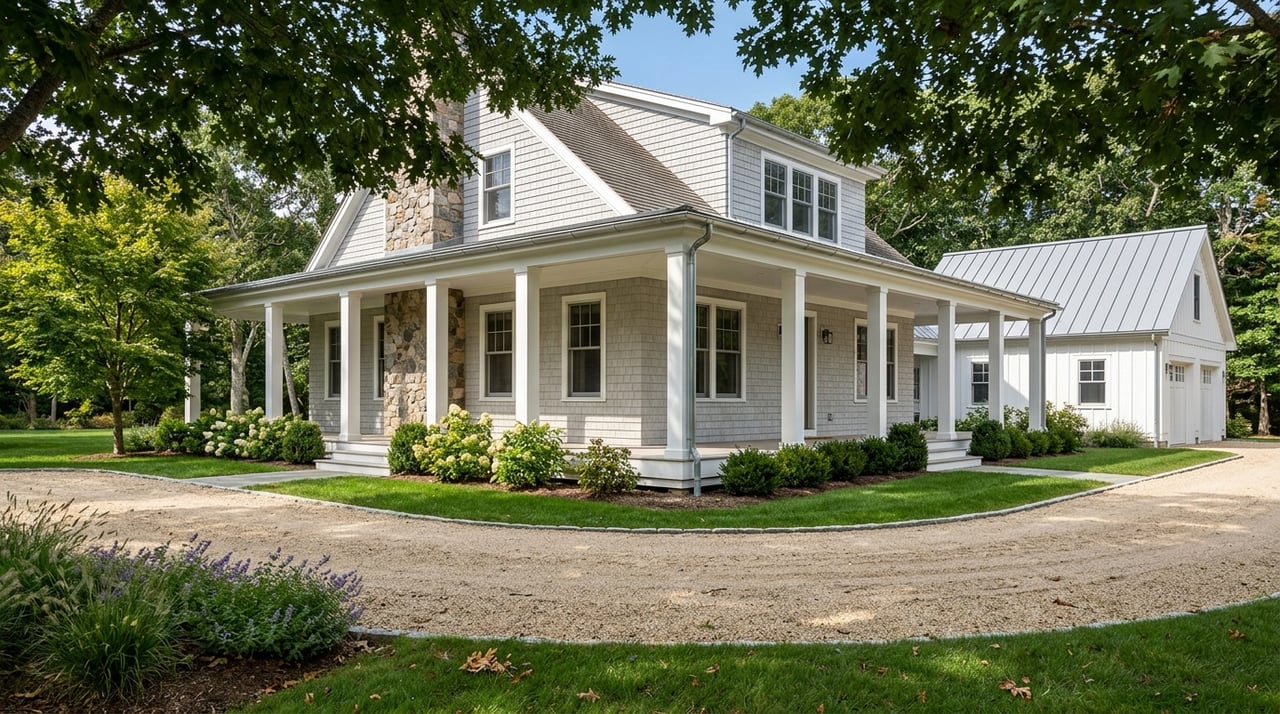
Wondering how to sell a country home with acreage in Hamilton without leaving money on the table? You are not just selling a house here. In many cases, you are selling a mix of home, land, access, outbuildings, and utility setup, all in a small market where buyers compare every detail closely. If you want a smoother sale and a stronger result, it helps to understand what makes these properties different before you list. Let’s dive in.
Why Hamilton acreage homes sell differently
Hamilton is a small, lightly traded market, which means each listing can stand out quickly for the right or wrong reasons. Realtor.com reported 21 homes for sale in April 2026, with a median listing price of $477,450, a median sold price of $408,950, 43 median days on market, and a 97% sale-to-list ratio. Zillow also showed limited inventory, with 14 listings as of March 31, 2026.
Those numbers point to a market with limited supply, but that does not mean every country property sells the same way. In Hamilton, buyers often look beyond square footage and finishes. They want to understand how the parcel works, what the access is like, and whether the land supports the lifestyle they have in mind.
Start with the property’s real story
A Hamilton country property is often best described as a lifestyle property. It may include a home, barn, shop, fenced area, woods, garden space, or open ground, but that does not automatically make it a farm in the legal or tax sense. The most effective marketing explains what the property actually offers instead of forcing it into the wrong category.
That matters because a “country” look and an “agricultural” classification are not the same thing. Michigan’s State Tax Commission says zoning does not control property classification, there is no minimum acreage or income requirement for agricultural classification, and many hobby-farm properties are still classified as residential. For sellers, that means clear, accurate descriptions build trust and help attract the right buyers.
Focus on lifestyle, not labels
When you market acreage property well, you help buyers picture everyday use. That might mean room for animals, hobby space, gardening, recreation, storage, or a workshop setup. The goal is to show the practical value of the property as it exists today.
You also want to avoid overpromising future uses. If a buyer is interested in land splits, future building, or special tax treatment, those questions should be supported by actual documentation and local rules. A strong listing creates excitement, but it also stays grounded in facts.
Check local zoning and land-use details
Heath Township, which administers Hamilton, is planned and zoned. The township requires permits for new structures and approved land splits before land is divided. Its zoning framework includes agricultural and rural-estate districts, along with provisions for special land uses, site condominiums, open-space preservation, access management, and private roads.
For sellers, that means prep work matters. Before your home goes live, it helps to confirm the zoning district, any past approvals, and whether there are restrictions that may shape buyer expectations. The more clearly you can explain the parcel, the easier it is for buyers to understand the opportunity.
If you are considering a land split
Some sellers think dividing acreage before listing will automatically increase value. In reality, a land split can trigger planning, zoning, and health department review. Allegan County says its subdivision and site-condominium program involves approval of parcels for onsite sewage disposal and water supplies before development is recorded.
In other words, a split is not just a pricing decision or a marketing idea. It is a process with local review, and it should be evaluated carefully before being advertised as a selling point.
Document access before you list
Access is one of the biggest issues for country and acreage homes. Heath Township’s access-management rules are designed to support safe travel, reduce conflicts, and maintain emergency-vehicle access. The Allegan County Road Commission also does not maintain private roads, requires permits for work in the road right-of-way, and uses site inspections for driveway permits.
That is why buyers will want details on road frontage, driveway setup, shared access, culverts, and winter maintenance. A vague answer can create hesitation. A clear answer can build confidence.
Seasonal roads matter in winter
Allegan County also has seasonal roads that are not maintained from November 1 through April 30. If your property is on or depends on a seasonal road, that should be explained clearly in the listing and during showings. Winter access can affect buyer interest, showing logistics, and how the property is used year-round.
This is especially important for out-of-area buyers who may not know local road practices. If you can explain plowing arrangements, turnaround space, and access conditions, you reduce surprises later in the transaction.
Gather well and septic records early
Rural utility systems need more attention than a typical in-town listing. Heath Township directs septic permits to the Allegan County Health Department, and the county’s evaluation form for existing onsite systems requires the septic tank to be located and the seller to provide proof that the system was pumped within the last three years. The required site plan also needs to show parcel lines, structures, wells, septic systems, easements, water frontage, and storage tanks.
That makes early preparation a smart move. If you gather these records before listing, you can answer buyer questions faster and avoid delays once an offer comes in.
Disclosure is part of the sale
Michigan’s Seller Disclosure Statement asks specifically about wells and septic systems. It also warns that property tax obligations can change significantly when property is transferred. For country homes, these are not side notes. They are central parts of the sale and should be handled carefully from the start.
Price the whole property, not just the house
Pricing a country or acreage home in Hamilton is more custom than pricing a standard subdivision home. A generic price-per-acre approach usually misses the mark. Buyers tend to weigh a long list of parcel-specific details, including utility access, road frontage, driveway quality, outbuildings, condition, restrictions, and possible split potential.
Heath Township’s assessor notes that property is assessed at 50% of market value and that Agriculture, Commercial, and Industrial classes often rely on Allegan County appraisals because there are not enough local sales for a typical study. That tells you something important about acreage property in Hamilton: comparable sales can be limited, so pricing needs careful local judgment.
Taxes can change after a sale
Tax questions come up often with acreage homes. Heath Township’s assessor explains that taxable value is capped until a transfer of ownership occurs, then adjusted the following year. That is why a buyer’s future tax bill may be different from the seller’s current bill.
This is another reason accurate expectations matter. When sellers understand how buyers may evaluate future costs, they can position the property more effectively.
Verify special land programs
If your land is enrolled in Michigan’s Farmland and Open Space Preservation Program, also known as PA 116, that status should be verified before marketing future use potential. According to MDARD, a PA 116 agreement restricts development and may provide tax benefits and relief from certain special assessments.
That kind of detail can materially affect how buyers view value, timing, and flexibility. It does not make a property less appealing, but it does change the conversation and should be presented clearly.
Use visuals that explain the land
Photos matter for every home sale, but they are especially important for acreage properties. A buyer needs to understand not just the kitchen and living room, but also the layout of the land, the approach from the road, and the relationship between the home and the outbuildings. Aerial and drone photography can help show that context when used accurately.
Accuracy is key. Online photos should match the real property and its boundaries closely so buyers are not confused during showings. In a rural listing, strong visuals should clarify the story, not create questions.
Prep the property for first impressions
Staging still matters, but the checklist often looks different for country homes. It helps to mow the area near the house, clear extra vehicles or equipment, define how each outbuilding is used, and make the property feel easy to understand at first glance. Inside the home, cleaning, decluttering, repairs, and depersonalizing still go a long way.
The best presentation makes the property feel manageable and appealing. Buyers should be able to picture how they would use the home and land without distraction.
Build a strong pre-listing packet
For Hamilton acreage homes, documentation can be just as important as presentation. A practical pre-listing packet often includes:
- Parcel map or survey
- Driveway or access records
- Septic records and pump documentation
- Well information
- Any land-division approvals
- Outbuilding measurements
- PA 116 paperwork, if applicable
- Qualified agricultural paperwork, if applicable
When buyers can review the basics early, they tend to feel more confident. That can lead to cleaner offers, fewer surprises, and a more efficient closing process.
Why local guidance matters
In a market like Hamilton, selling well means connecting the dots between the home, the land, and the local rules that shape value. You need pricing discipline, accurate marketing, and a plan for answering the questions unique to acreage property. That is where local experience can make a real difference.
If you are thinking about selling a country or acreage home in Hamilton, the right strategy starts with understanding what you truly have and how buyers will see it. For tailored pricing, thoughtful marketing, and hands-on guidance from a local expert, schedule a free consultation with Taressa Sprick.
FAQs
What makes selling a country home in Hamilton, MI different from selling a standard residential home?
- In Hamilton, buyers often evaluate the house, the land, access, outbuildings, and utility setup together, so pricing and marketing need to explain the full property clearly.
What zoning issues matter when selling acreage property in Hamilton, MI?
- Heath Township is planned and zoned, requires permits for new structures, and requires approved land splits before division, so sellers should verify zoning and any approvals before listing.
What access details should sellers disclose for Hamilton, MI acreage homes?
- Sellers should be ready to explain road frontage, driveway type, shared access, culverts, private-road issues, and winter maintenance, especially if the property is affected by seasonal-road conditions.
What septic records are helpful when selling a rural home in Hamilton, MI?
- Allegan County requires septic tanks to be located for existing onsite system evaluations, and sellers must provide proof the system was pumped within the last three years.
Does acreage automatically mean agricultural tax treatment in Hamilton, MI?
- No. Michigan guidance says zoning does not control classification, there is no minimum acreage threshold for agricultural classification, and many hobby-farm properties remain classified as residential.
Can property taxes change after selling a home in Hamilton, MI?
- Yes. Heath Township explains that taxable value is capped until a transfer of ownership occurs, then it is adjusted the following year, which can significantly change tax obligations after a sale.
What documents help sell a Hamilton, MI country property faster?
- A parcel map or survey, well and septic records, access information, land-split approvals, outbuilding details, and any PA 116 or qualified agricultural paperwork can all help buyers evaluate the property more confidently.