If you are thinking about selling in Zeeland, first impressions matter more than ever. In a market where homes have recently sold in about five days and buyers are moving fast, the way your home looks, feels, and photographs can shape both interest and offers. The good news is that you do not need a full remodel to stand out. With the right prep plan, you can focus on the updates that matter most and avoid wasting time or money. Let’s dive in.
Why prep matters in Zeeland
Zeeland is a small but active market with a mix of long-time owners, downsizers, and move-ready buyers. According to the City of Zeeland community profile, the city has 5,719 residents, a 64.4% owner-occupied housing rate, and a median owner-occupied home value of $299,000.
Recent housing data also shows how quickly a well-prepared home can get attention. Redfin’s Zeeland market data reported a median sale price of $345,200 in February 2026, with homes selling in about five days on market, while Zillow showed 37 homes for sale and a typical home value of $379,781 around the same time. These numbers measure the market differently, but together they point to the same thing: buyers are watching closely, and presentation counts.
Focus on preparation, not a full remodel
Many sellers assume they need to renovate before listing. In most cases, a smarter approach is to prepare your home so buyers can picture themselves living there.
The National Association of Realtors 2025 Profile of Home Staging found that 83% of buyers’ agents said staging makes it easier for buyers to visualize a property as a future home. The same report also found that photos matter even more, with 73% saying photos were much more or more important.
That is why the best pre-listing strategy is usually simple: declutter, clean deeply, make minor repairs, refresh key surfaces, and stage the rooms buyers notice first. This tends to create a polished, move-in-ready feel without over-improving.
Start with the highest-impact tasks
Before you spend money, focus on the basics that help your home feel clean, bright, and easy to imagine.
Declutter every room
Clutter makes rooms feel smaller and distracts from your home’s features. Go room by room and remove extra furniture, crowded shelves, piles of papers, storage bins, and anything you do not use regularly.
If you are still living in the home, pack as if you are starting your move early. This creates more visual space now and gives you a head start later.
Depersonalize the space
Buyers connect more easily with a home when the space feels neutral and open. That usually means putting away highly personal photos, niche collections, bold decor themes, and anything that can pull attention away from the house itself.
The goal is not to make your home cold. It is to make it easier for buyers to picture their own furniture, routines, and style in the space.
Deep clean thoroughly
A clean home signals care. Pay special attention to floors, baseboards, windows, kitchens, bathrooms, light fixtures, and high-touch areas like doors and handles.
Do not forget the details buyers notice during showings. Smudged glass, dusty vents, stained grout, and pet odors can leave a bigger impression than sellers expect.
Handle minor repairs
Small issues can suggest bigger maintenance concerns. Tighten loose handles, replace burned-out bulbs, patch nail holes, fix dripping faucets, touch up scuffed paint, and make sure doors and drawers open smoothly.
These are not flashy upgrades, but they help your home feel well cared for. In a fast-moving market, that can support stronger buyer confidence.
Stage the rooms that matter most
You do not need to stage every square foot to make a strong impression. The NAR report shows that staging efforts are usually focused on the living room, primary bedroom, dining room, and kitchen.
That is helpful for Zeeland sellers who want to be strategic with time and budget. If you only tackle a few rooms, start where buyers form the strongest emotional reaction.
Living room
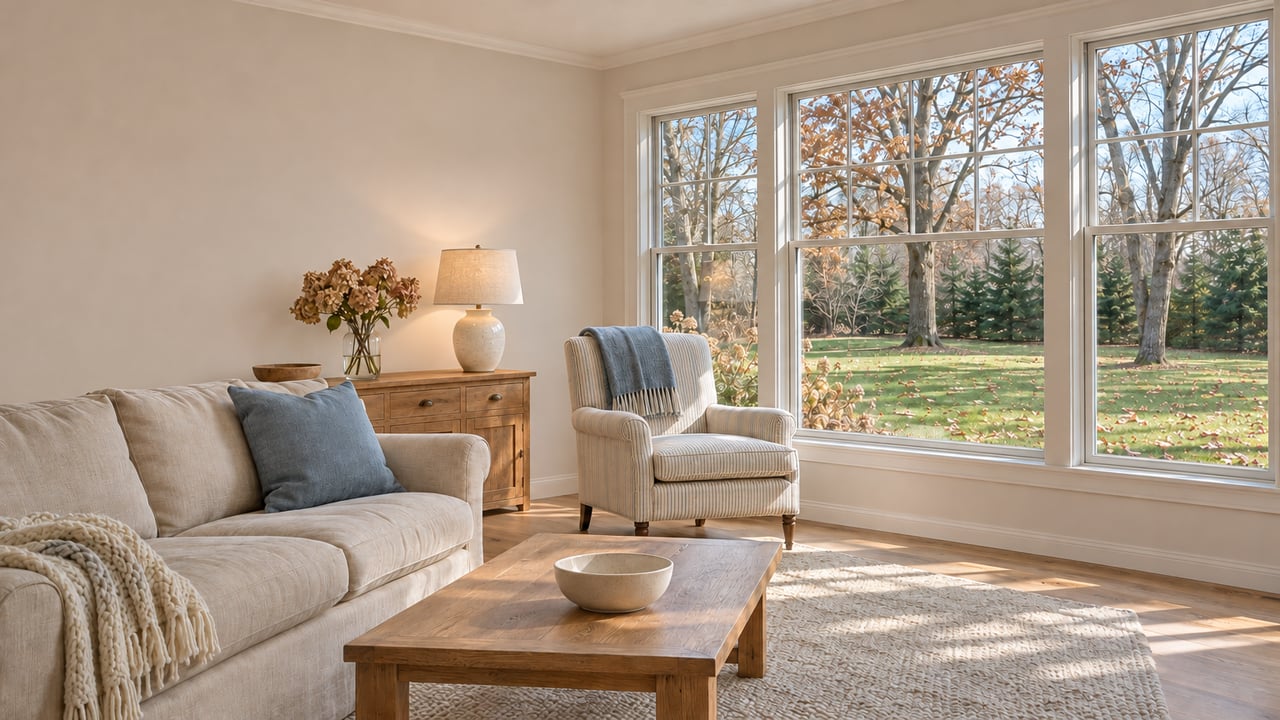
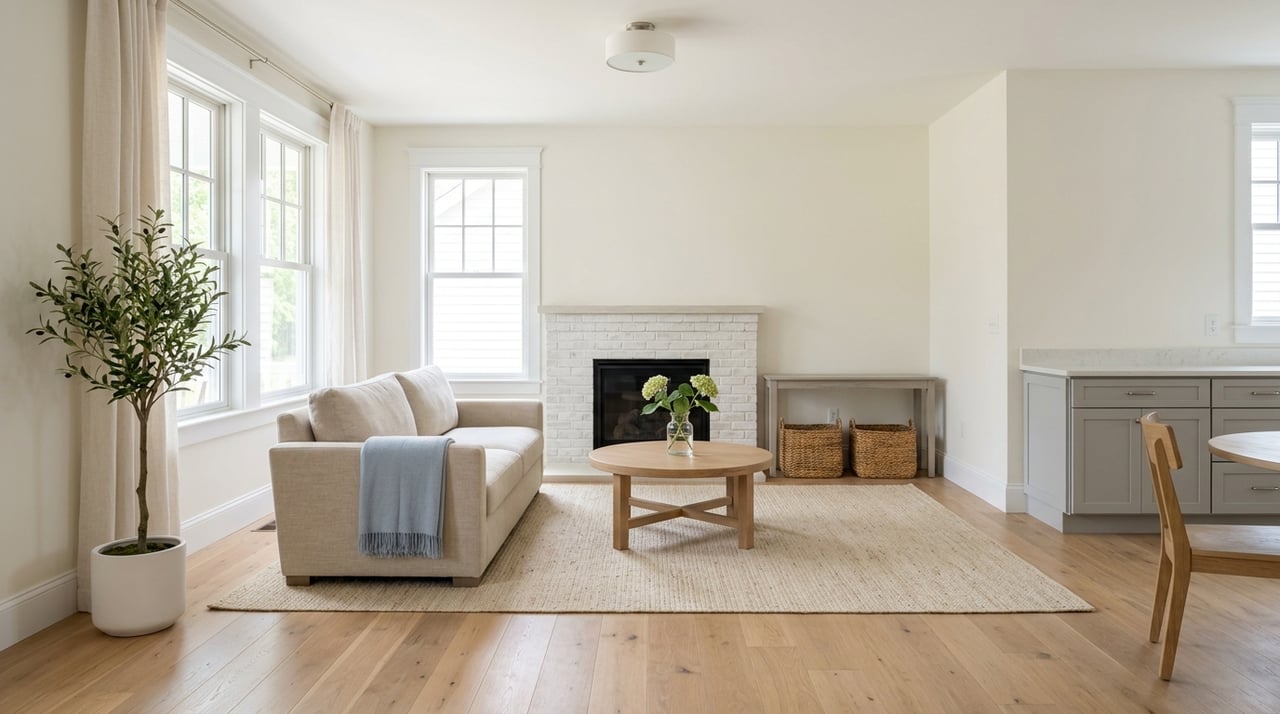
The living room is often the first main gathering space buyers see. Arrange furniture to show clear walking paths, open up natural light, and keep surfaces simple.
A few well-placed accents can help, but avoid crowding the room. Buyers should notice the space, not the styling.
Primary bedroom
Your primary bedroom should feel restful and spacious. Use simple bedding, clear nightstands, and minimal decor to create a calm, uncluttered look.
If the room is tight, remove extra furniture. Even one oversized chair or dresser can make the room feel smaller in person and in photos.
Dining area
Whether you have a formal dining room or a dining nook, keep it clean and easy to read. A simple table setting or centerpiece can define the space without making it feel busy.
This is especially useful if buyers need help understanding how the room functions.
Kitchen
Clear the counters as much as possible. Store away small appliances, magnets, papers, and anything that makes the kitchen feel visually crowded.
Fresh hardware, updated lighting, and crisp surfaces can go a long way here. Buyers often respond well to kitchens that feel bright, functional, and easy to maintain.
Choose updates with broad appeal
If you are deciding where to spend money, stick with visible updates that have wide appeal. Fresh paint in neutral tones, simple lighting improvements, updated cabinet hardware, and curb appeal work are often more useful before listing than a major interior remodel.
That approach lines up with the 2025 Cost vs. Value Report from Zonda, which found that exterior replacement projects often deliver stronger resale returns than larger discretionary interior remodels. Zonda also noted that major interior updates can be too subjective to produce the same return when it is time to sell.
For many Zeeland sellers, that means it is wise to skip a last-minute kitchen or bath overhaul unless there is a clear functional issue. Clean, fresh, and well maintained usually beats expensive and highly personalized.
Do not overlook curb appeal
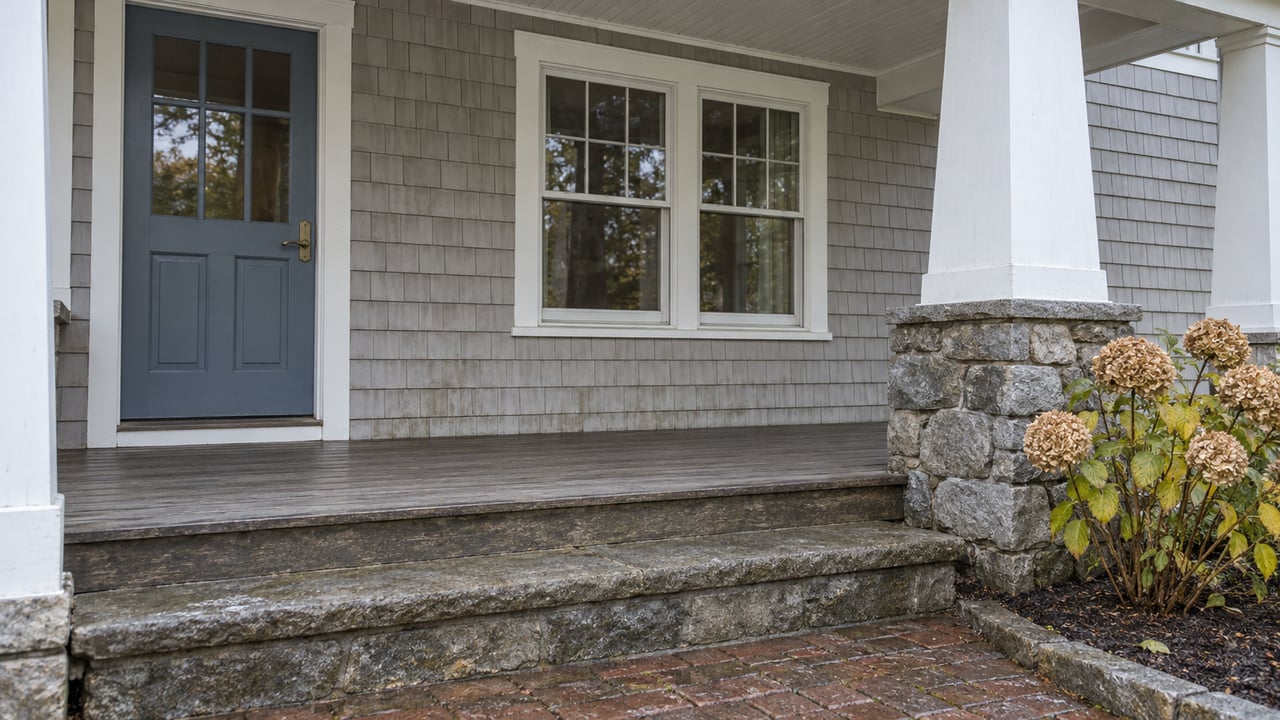
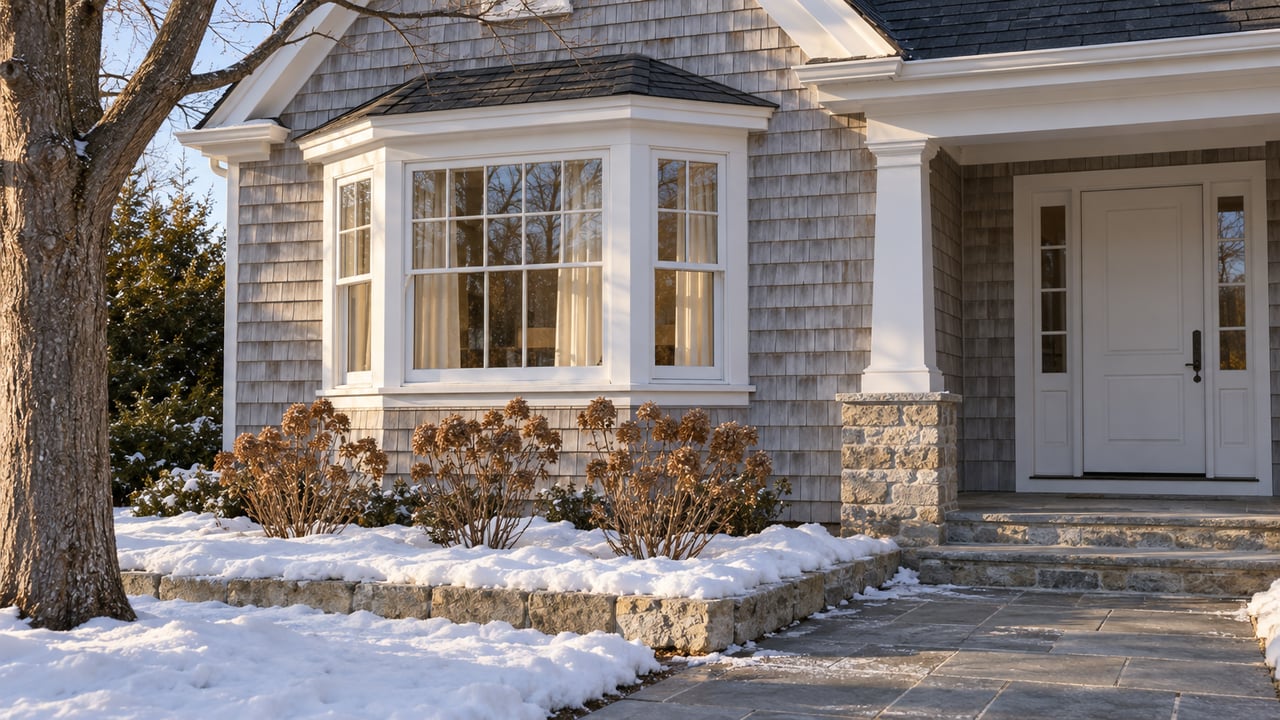
Buyers start forming opinions before they walk through the front door. A tidy exterior helps support everything they will see inside.
Focus on practical improvements like:
- Mowing and edging the lawn
- Trimming overgrown shrubs or branches
- Sweeping porches and walkways
- Adding fresh mulch where needed
- Cleaning the front door and entry lights
- Replacing worn house numbers or a tired mailbox if needed
If your garage door, front door, or siding is in rough shape, those updates may be worth a closer look. Exterior improvements tend to have broad buyer appeal and can strengthen that first impression.
Plan the right order of work
If you are living in your home while getting it ready to sell, sequence matters. A good plan helps you avoid doing the same work twice and reduces day-to-day disruption.
A practical order looks like this:
- Declutter and pack non-essential items
- Complete minor repairs
- Finish any larger or permitted work
- Deep clean the home
- Stage key rooms
- Schedule listing photos
This order helps protect your staging and cleaning work from construction dust, tools, or repeat messes.
Know when permits may apply
Some pre-listing work is simple cosmetic maintenance. Other projects may involve code requirements or inspections.
According to the City of Zeeland Building and Zoning Department, the city oversees building, property maintenance, mechanical, plumbing, electrical, energy, barrier-free, and zoning codes. The city also notes that permit applications can be mailed, emailed, or dropped off at City Hall, and that mechanical and plumbing inspections require two business days’ notice.
If your prep list includes more than paint, hardware, or cleaning, it is smart to check whether permits are needed before work begins. This is especially important if you are trying to stay on a listing timeline.
Take extra care with older homes
If your Zeeland home was built before 1978, pause before sanding, scraping, or opening up painted surfaces. The EPA’s lead renovation guidance says that renovation, repair, or painting work that disturbs lead-based paint should be handled by lead-safe certified contractors.
This matters for projects that seem minor on the surface, such as sanding trim, removing old materials, or doing demolition before a cosmetic refresh. If your home is older, asking the right questions early can help you avoid delays and safety issues.
Keep your budget in perspective
A standout sale does not always come from spending the most money. It usually comes from making your home easier to see, easier to understand, and easier for buyers to picture as their next step.
The NAR staging report found that when a staging service was used, the median spend was $1,500, while the median spend was $500 when the seller’s agent personally staged the home. That is a useful reminder that thoughtful preparation can be targeted and cost-conscious.
In other words, you do not need to redesign your entire house. You need a plan that highlights your home’s strengths and removes distractions.
Work with a local plan
Every Zeeland home has a different starting point. A longtime owner may need help deciding what to pack first, a downsizer may want a smoother timeline, and a move-up seller may need prep work coordinated around daily life.
That is where local guidance can make the process feel much lighter. When you have a clear pricing strategy, smart prep advice, and access to trusted partners like organizers and stagers, it becomes much easier to focus on the work that actually supports your sale.
If you are getting ready to sell in Zeeland, Taressa Sprick can help you create a practical prep plan, connect you with trusted local resources, and guide you through each step with the kind of steady support that makes your next move feel manageable.
FAQs
What should you fix before listing a home in Zeeland?
- Focus first on minor repairs, deep cleaning, touch-up paint, lighting, hardware, and visible maintenance issues that affect first impressions or buyer confidence.
Should you stage every room before selling a Zeeland home?
- No. The strongest staging impact is usually in the living room, primary bedroom, dining room, and kitchen, so it often makes sense to prioritize those spaces first.
Is a major remodel worth it before selling a Zeeland house?
- Usually not unless there is a clear functional problem. Broad-appeal updates and exterior improvements often make more sense than large, subjective interior remodels.
What is the best order to prepare a Zeeland home for sale?
- Start with decluttering, then complete repairs and any permitted work, deep clean next, stage key rooms, and schedule photos last.
When do permits matter for Zeeland pre-listing work?
- Permits may matter when the work goes beyond simple cosmetic updates and involves building, mechanical, plumbing, electrical, or other code-regulated improvements.
What should you know about older Zeeland homes before repairs?
- If the home was built before 1978 and the project will disturb painted surfaces, you should check whether lead-safe certified contractors are needed under EPA guidance.